
HOLIDAY PACKAGE · HYD → NRT
Japan holiday packages from Hyderabad.
Tokyo's neon, Fuji from a ropeway, Kyoto's shrines and Osaka's street food — one country, four very different places, stitched together by the shinkansen.
AT A GLANCE
The trip, on one ledger.
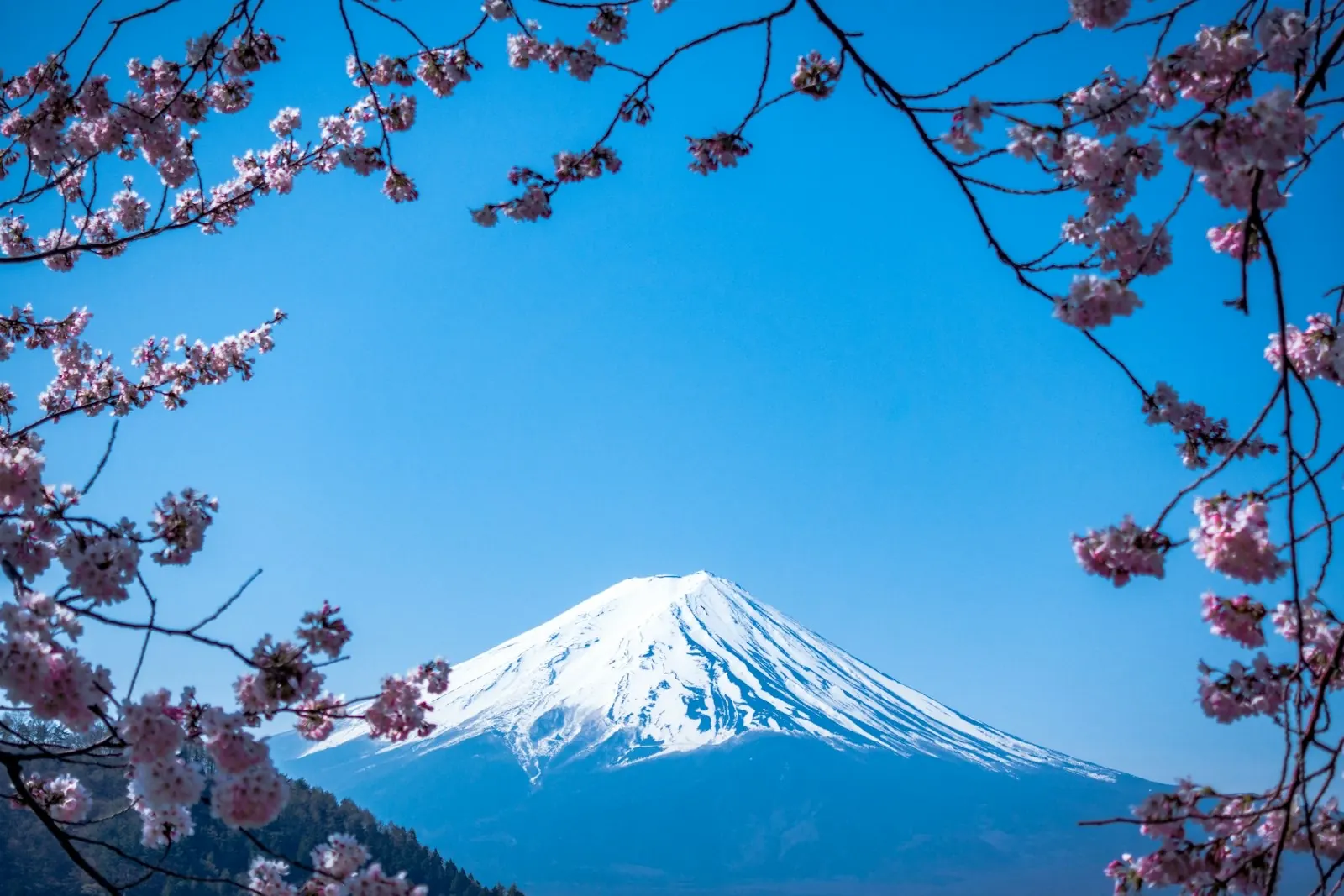
Spring brings the cherry blossom — full bloom averages the last day of March in Tokyo and the first week of April in Kyoto and lasts barely a fortnight — while late November colours Kyoto's temple gardens red and gold. June is the rainy season, July and August are hot and humid, and late April to early May coincides with Japan's Golden Week holidays, when domestic travel peaks.
WHAT THE DESK ARRANGES
Flights, stays, transfers and paperwork — one booking.
Japan rewards the traveller who does not rush. This route takes in Tokyo's scale, a night in the hot-spring hills of Hakone beneath Mount Fuji, three days among Kyoto's temples and a finish in Osaka, where dinner is eaten standing at a counter on Dotonbori.
From Hyderabad it is a one-stop journey with no time zone shock to speak of, and because Indians need a visa lodged in advance, our desk handles the paperwork while you decide between cherry blossom and autumn colour.
Get a quote on WhatsApp →SAMPLE ITINERARY
7–8 nights, day by day.
A starting point, not a fixed route — every departure is reshaped around your dates, pace and travellers before anything is booked.
- DAY 1
Arrive Tokyo
Land at Haneda or Narita and ride the airport rail into the city. After check-in, walk out to Shibuya Crossing as the screens come on, then eat in the lanes behind Shibuya Station. Early night: the time difference is small, so tomorrow starts fresh.
- DAY 2
Tokyo, old and new
Morning at Senso-ji in Asakusa before the crowds, browsing Nakamise-dori on the way out. Cross to the forested Meiji Jingu shrine, then Harajuku's Takeshita Street and Omotesando. End on the Shinjuku side with the free Metropolitan Government Building observation deck at dusk.
- DAY 3
Shinkansen to Hakone
Tokyo to Odawara on the shinkansen in about 35 minutes. Loop the Hakone Tozan Railway to Gora, the cable car to Sounzan and the ropeway over the sulphur vents of Owakudani, with Mount Fuji ahead on a clear day. Cruise Lake Ashi to Moto-Hakone; overnight in a hot-spring inn.
- DAY 4
Shinkansen to Kyoto
Odawara to Kyoto on a Hikari service in around two hours. Drop bags and head straight to Fushimi Inari, climbing through its thousands of vermilion torii gates as far as your legs allow. Evening walk through Gion and along Hanamikoji as the lanterns come on.
- DAY 5
Kyoto's temples
Arashiyama first thing: the bamboo grove, Tenryu-ji's garden and the Togetsukyo bridge. Afternoon at Kinkaku-ji, the Golden Pavilion, then Kiyomizu-dera on its wooden stage above the city, walking down through the preserved lanes of Ninenzaka and Sannenzaka.
- DAY 6
Nara, then Osaka
A 35-minute Kintetsu train reaches Nara: Todai-ji's Great Buddha, Kasuga Taisha's lantern paths and the deer that bow for crackers in Nara Park. Return to Kyoto and take the shinkansen to Shin-Osaka in 15 minutes. Dinner on Dotonbori — takoyaki, okonomiyaki, kushikatsu.
- DAY 7
Osaka and departure
Osaka Castle and its park in the morning, Kuromon Market for a grazing lunch, then Shinsaibashi for last shopping. Depart from Kansai Airport in the evening, or add a night and take the shinkansen west to Hiroshima's Peace Memorial and the floating torii of Miyajima.
WHAT A JAPAN PACKAGE INCLUDES
- Return flights from Hyderabad, ticketed by our IATA-accredited desk
- Hotels matched to your budget, area and group
- Airport and inter-city transfers as per the itinerary
- Sightseeing, entry tickets and excursions listed in your plan
- Travel insurance arranged before you fly
- Visa assistance for Indian passport holders — see our Japan visa desk
- One WhatsApp number for the whole trip, before and during travel
Not included unless listed in your quote: meals beyond those stated, optional activities, personal expenses and tips. Your written quote itemises everything before you commit.
DON'T MISS
Four things worth the flight.
- Fuji from the Hakone Ropeway and Lake Ashi — the classic view, earned by a scenic loop of mountain railway, cable car and boat
- Fushimi Inari's tunnels of vermilion torii climbing the mountain behind Kyoto
- Shibuya Crossing and Senso-ji in the same city — Tokyo's two faces, a metro ride apart
- Dotonbori after dark, where Osaka eats standing up beneath the neon
Getting in. Indian passport holders need a Temporary Visitor visa before travelling — a paper file lodged by appointment at the VFS centre in Hyderabad and decided by the Consulate-General of Japan in Chennai, or a single-entry tourism eVisa lodged through an agency registered with the consulate — and our desk prepares the checklist, books the appointment and tracks the file until your passport is back.
GOOD TO KNOW
Before you pack.
- Rail: for Tokyo–Hakone–Kyoto–Osaka, individual shinkansen tickets work out cheaper than a nationwide rail pass, which only pays off if you add Hiroshima or several long legs. Pick up a tourist IC card such as Welcome Suica or ICOCA on arrival to tap through metros, buses and convenience stores.
- Cash still matters: cards and IC tap work in cities, stations and chains, but shrine admissions, small family diners, market stalls and many onsen inns take cash only. Convenience-store and post-office ATMs accept Indian international cards.
- Etiquette: shoes come off in inns, temples and many restaurants; nobody tips; phones stay silent and voices low on trains; and many public onsen still turn away visible tattoos, so choose an inn with a private bath if that applies to you.
- Vegetarians: Japanese cooking leans on dashi, a fish-based stock hidden in miso soup, noodle broths and sauces, and 'no meat' does not exclude fish. Seek out shojin ryori (Buddhist temple cuisine) in Kyoto, Indian restaurants in every city, and carry a written card explaining what you avoid.
- Plugs and power: Japan uses two-flat-pin Type A sockets at 100 V, so Indian round-pin plugs need an adapter. Phone and laptop chargers cope with the voltage, but Indian hair-dryers and kettles will not work properly.
- Luggage forwarding: hotel desks ship suitcases to your next hotel by takkyubin courier for next-day delivery, so you ride the shinkansen with a day bag — worth it for the Hakone night in particular.
FAQ
Asked at the desk, answered here.
Do Indian citizens need a visa for Japan?
Yes. There is no visa-on-arrival or visa-free entry for ordinary Indian passports. Hyderabad residents lodge a Temporary Visitor application by mandatory appointment at the VFS centre in Ameerpet; the Consulate-General of Japan in Chennai decides it, typically within 5–10 working days, so apply three to four weeks ahead. Our desk prepares the file, books the slot and tracks it.
When is the best time to go — cherry blossom or autumn?
Cherry blossom peaks around the last week of March in Tokyo and the first week of April in Kyoto, and full bloom lasts barely a fortnight, so dates carry some risk and crowds are heavy. Late November brings autumn colour to Kyoto's temple gardens with steadier weather. For thinner crowds and mild days, consider early March, mid-May or October.
How many days do I need for Japan?
Seven to eight nights covers Tokyo, a night in Hakone, Kyoto and Osaka without rushing, using the shinkansen between cities. With ten nights you can add Hiroshima and Miyajima or a second night in the mountains. Fewer than six nights means dropping either Hakone or Osaka.
Is this route better for a honeymoon or a family?
Both work on the same skeleton. Couples tend to trade a city hotel night for a second night in a Hakone or Kyoto inn with a private hot-spring bath and a kaiseki dinner. Families do well with the Nara deer, Osaka's aquarium and Universal Studios, and apartment-style rooms in Tokyo and Osaka, where hotel rooms are small.
ALSO FROM THIS DESK
Everything else the trip needs.
Japan visa desk
Temporary Visitor file prepared to the consulate standard and lodged at VFS Ameerpet.
Japan visa checklist →Travel insurance
Medical cover, cancellation and lost-passport help, arranged before you fly — a visa requirement for Schengen, the UK, Japan and Australia.
Insurance for this trip →Flights from Hyderabad
Fares issued fast by our IATA-accredited desk, with honest advice on routings and the dates that keep the visa file consistent.
Book the flights →MORE FROM THE PACKAGE DESK
Other routes we plan from Hyderabad.


NEXT DEPARTURE: NRT
Ready for Japan?
Send your dates and who is travelling — we come back with a day-by-day plan and an itemised written quote.